

How to Make the Transition to a New Supplier for Your Superabrasive Tools
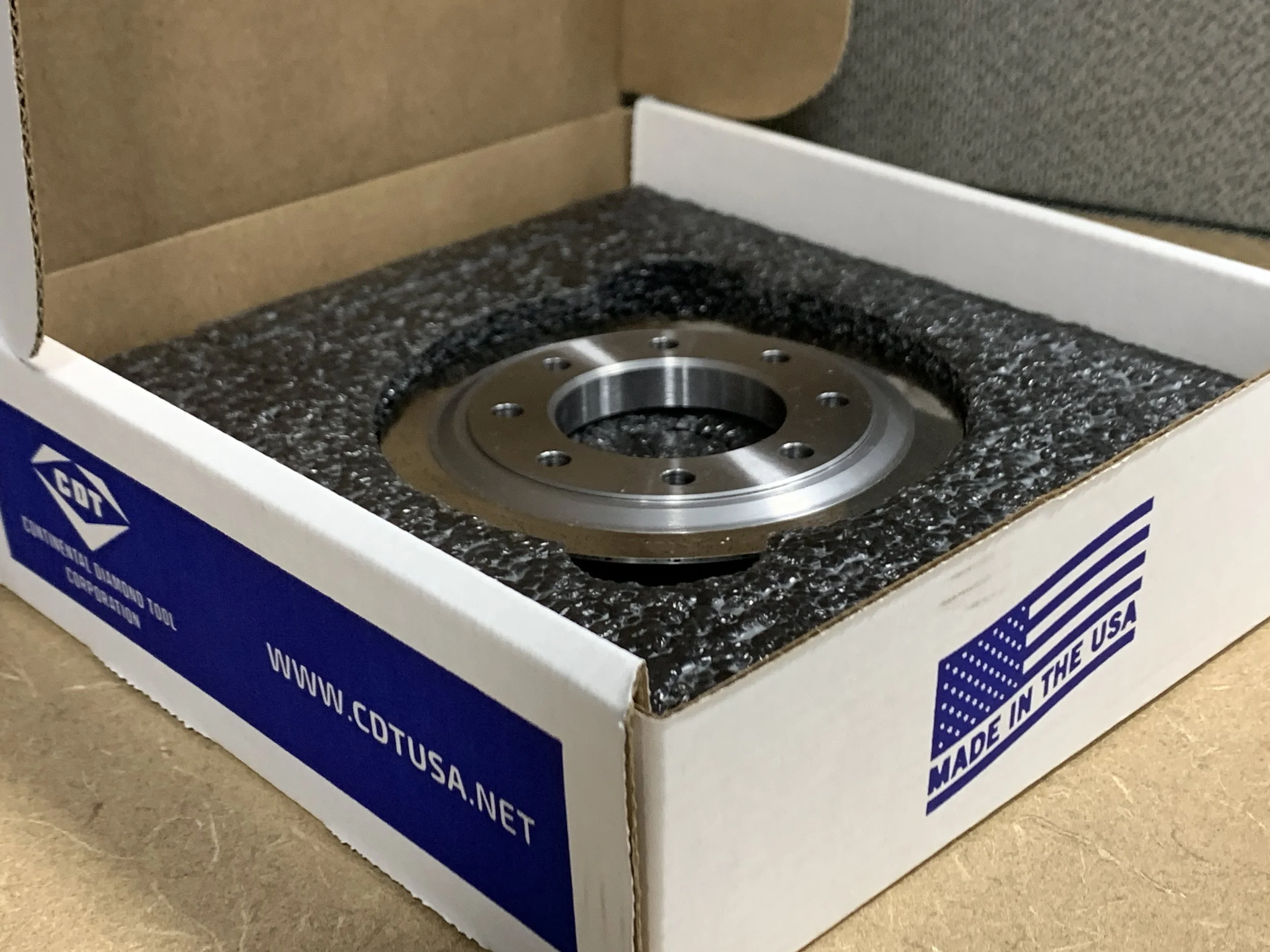
Made in the USA: CDT supports manufacturers with custom superabrasive grinding solutions and responsive service.
Switching grinding wheel or diamond dresser suppliers can feel risky, especially when your production depends on consistency, part quality, and reliable delivery.
Many manufacturers stay with the same tooling provider for years simply because changing suppliers feels disruptive. But in today’s market, companies are increasingly reevaluating their options due to:
Inconsistent lead times
Limited engineering support
Rising tooling costs
Supplier consolidation or closures
Quality inconsistencies
Limited product offerings
New grinding machine investments also commonly drive tooling evaluations. In many cases, legacy wheel and dresser specifications were developed around older equipment and may not fully utilize the capabilities of newer grinding technology.
At Continental Diamond Tool (CDT), we work to make the transition process collaborative, straightforward, and low risk while helping customers improve grinding performance, tooling life, and overall value.
In this article, we go over some common questions we hear from new customers considering a supplier change.
Frequently Asked Questions
What if the new tooling doesn’t perform the way we need it to?
Grinding processes are highly application-specific, which is why CDT takes a collaborative approach to new projects rather than offering one-size-fits-all recommendations.
Depending on the application, CDT may:
Review current tooling specifications
Analyze process goals and challenges
Recommend optimized wheel or dresser designs
Conduct testing in our lab
Support on-machine production trials
Adjust specifications based on test results
Our engineering and application teams focus on helping customers dial in the right solution—not simply shipping a catalog product.
Many customers see improvements in:
Wheel life
Surface finish
Cycle time
Dressing frequency
Overall tooling costs
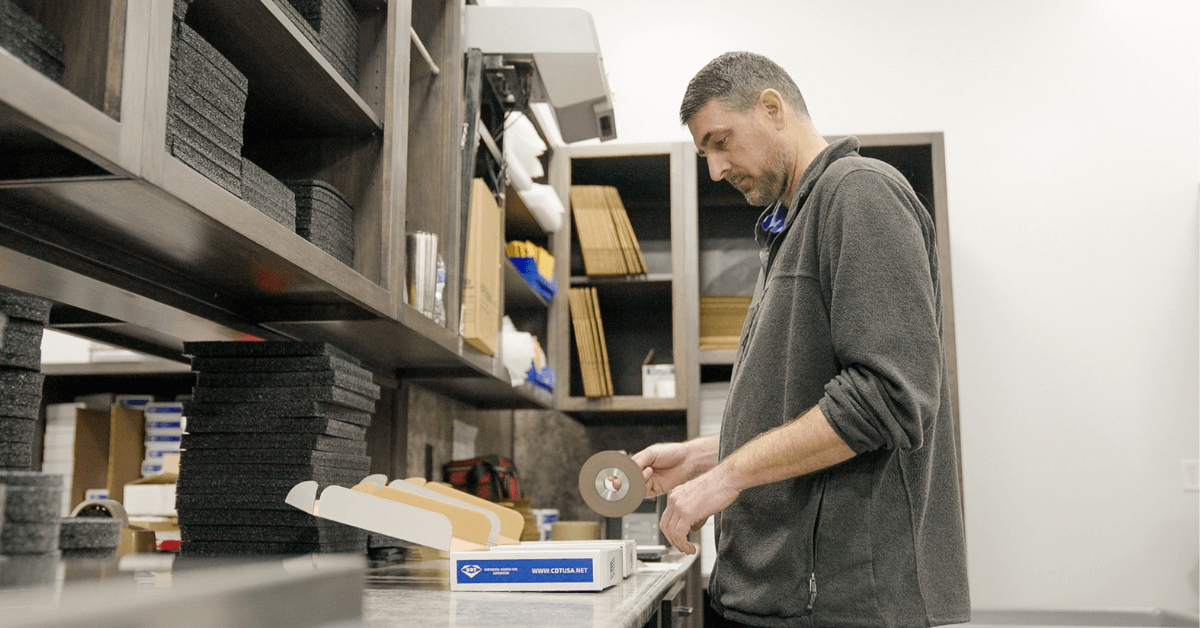
Every custom tool is inspected, packaged, and prepared for delivery by CDT’s quality and shipping teams.
Do we have to completely change our process to switch suppliers?
Not necessarily.
Many customers begin by testing CDT tooling alongside their current products in a controlled environment.
We can often:
Match existing tooling geometry and specifications
Reverse engineer current tooling
Recommend incremental improvements
Support phased implementation
Optimize one operation at a time
The goal is to improve performance while minimizing disruption to production.
We’re purchasing a new grinding machine. Should we reevaluate our tooling setup?
In many cases, yes.
New grinding equipment often creates opportunities to improve:
Material removal rates
Surface finish
Process consistency
Cycle times
Tooling efficiency
CDT frequently works with customers during new machine installations to optimize:
Grinding wheel specifications
Rotary dresser configurations
Bond selection
Dressing strategies
Process parameters
Our engineering and application teams can collaborate with operators, manufacturing engineers, machine builders, and integrators to help establish a stable grinding process early in the startup phase.
How does CDT support testing and trials?
CDT regularly supports trial programs for:
Supplier transitions
New applications
New machinery startups
Depending on the project, support may include:
Lab testing
On-site production trials
Process evaluation
Application engineering consultation
Dressing parameter recommendations
Wheel specification adjustments
Success metrics are typically based on customer goals such as tool life, surface finish, throughput, cycle time, and cost per part.
What kind of quality assurance does CDT provide?
Every custom tool is manufactured to customer-approved specifications and inspected prior to shipment.
CDT is also certified to ISO 9001:2015, reflecting our commitment to documented quality processes, continuous improvement, and manufacturing consistency across our operations.
If questions come up during set up or use, CDT’s engineering, customer service, and sales teams are always available to help evaluate performance and recommend adjustments when needed.
What to Expect When Getting Started with CDT
Step 1: Contact Our Team
Call CDT Customer Service at 1-800-443-6629 or contact your CDT sales representative to discuss your application and tooling needs.
Whether you're replacing existing tooling, launching a new application, or installing a new machine, our team will help guide the process.
Step 2: Account Setup
For new customers, CDT will help establish your company account. This process may include:
Credit or financial paperwork
Shipping and billing setup
Purchase order information
Tax documentation (if applicable)
Meanwhile, our team can begin reviewing tooling requirements, pricing, and lead times.
Step 3: Engineering & Specification Review
Your CDT sales engineer or application engineer will work with our engineering and quoting teams to finalize tooling specifications.
This may include:
Wheel geometry
Abrasive type
Bond selection
Grit size
Dressing requirements
Machine parameters
For new machine installations, CDT may also help optimize tools around the capabilities of the new equipment.
Step 4: Drawing Approval & Production
Before manufacturing begins, customers receive a drawing of the tool for approval to verify dimensions and specifications.
Once approved, the tooling enters production at CDT’s manufacturing facilities.
Customers receive shipment updates and tracking information when available, and our customer service team is available anytime to provide updates on order status.
A Partnership-Focused Approach
At CDT, we understand that changing grinding wheel manufacturers is ultimately about trust.
That’s why we focus on:
Communication
Technical support
Responsiveness
Process collaboration
Long-term customer relationships
Whether you’re leaving your old supplier, launching a new application, or exploring new grinding and dressing solutions, CDT works alongside customers to help simplify implementation and improve long-term grinding performance.
To get started, call 1-800-443-6629 or contact your CDT representative today.
-
Before changing suppliers, manufacturers should review tooling performance, lead times, technical support, product quality, and overall value. Evaluating these factors helps ensure the new supplier can support both current production requirements and future manufacturing goals.
-
Many companies begin with controlled trials and side-by-side testing to compare performance. A collaborative approach that includes application reviews, engineering support, and phased implementation can help minimize disruption to production.
-
Not always. In many cases, a supplier can match existing tooling specifications or recommend gradual improvements that enhance performance while maintaining process stability. This allows manufacturers to transition with minimal operational impact.
-
New grinding equipment often offers capabilities that older tooling specifications may not fully utilize. Reviewing wheel specifications, dressing strategies, and process parameters can help manufacturers improve cycle times, consistency, and overall grinding performance.
-
A successful supplier transition may provide access to improved engineering support, optimized tooling designs, better process performance, and more responsive customer service. These improvements can contribute to longer wheel life, improved surface finishes, and reduced overall production costs.
